Beyond Look and Feel: 5 Critical Performance Tests Every Leather Manufacturer Should Know
At first glance, leather goods are judged by how they feel and look. But what really determines how long a pair of leather shoes or a handbag will last — and whether it will crack or fade — comes down to a set of physical performance properties that aren't visible to the naked eye. For leather manufacturers and downstream footwear or bag producers, building a robust leather testing system is a key step in controlling finished product quality at the source.
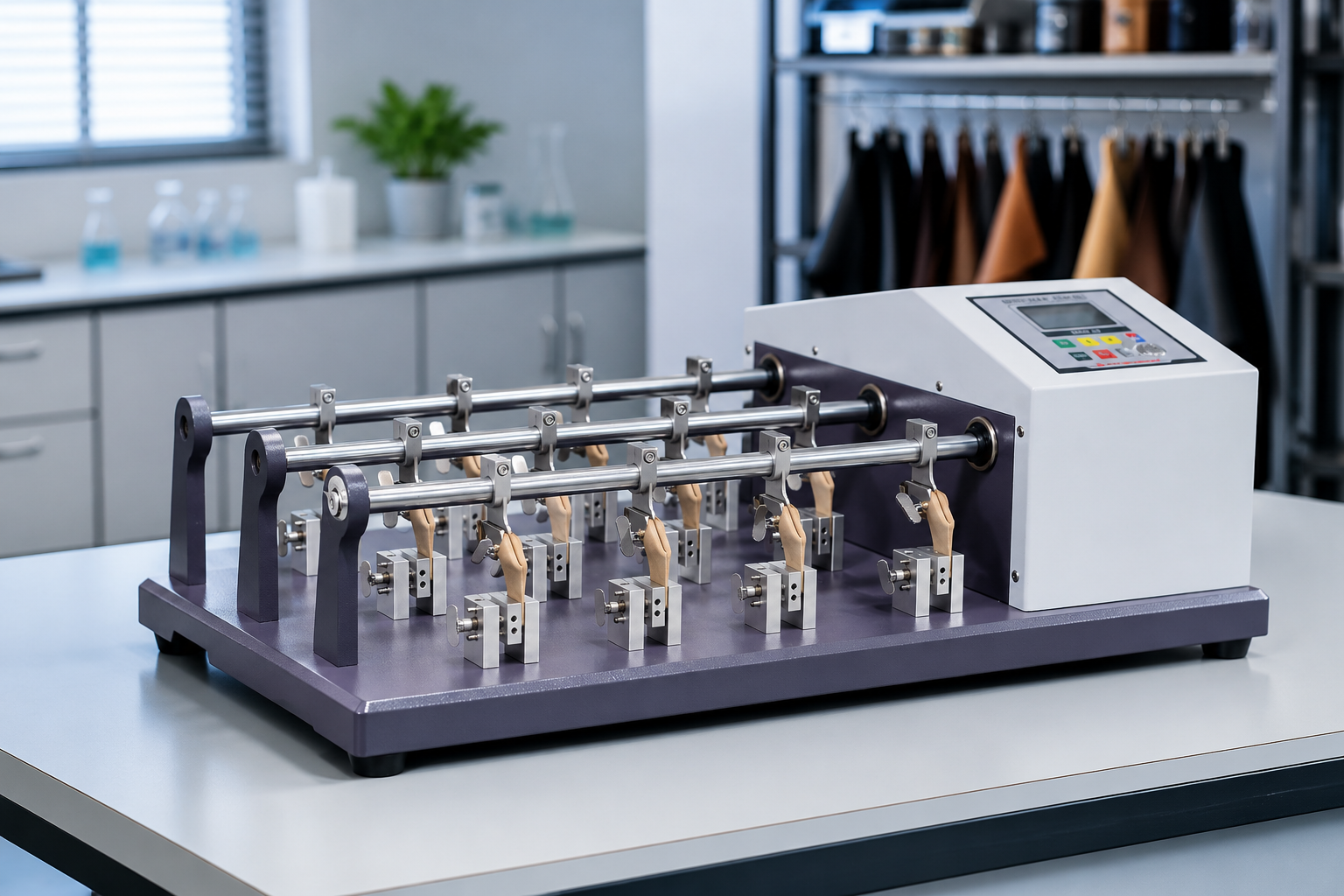
1. Flex Resistance — The Key Indicator of Whether Leather Will Crack
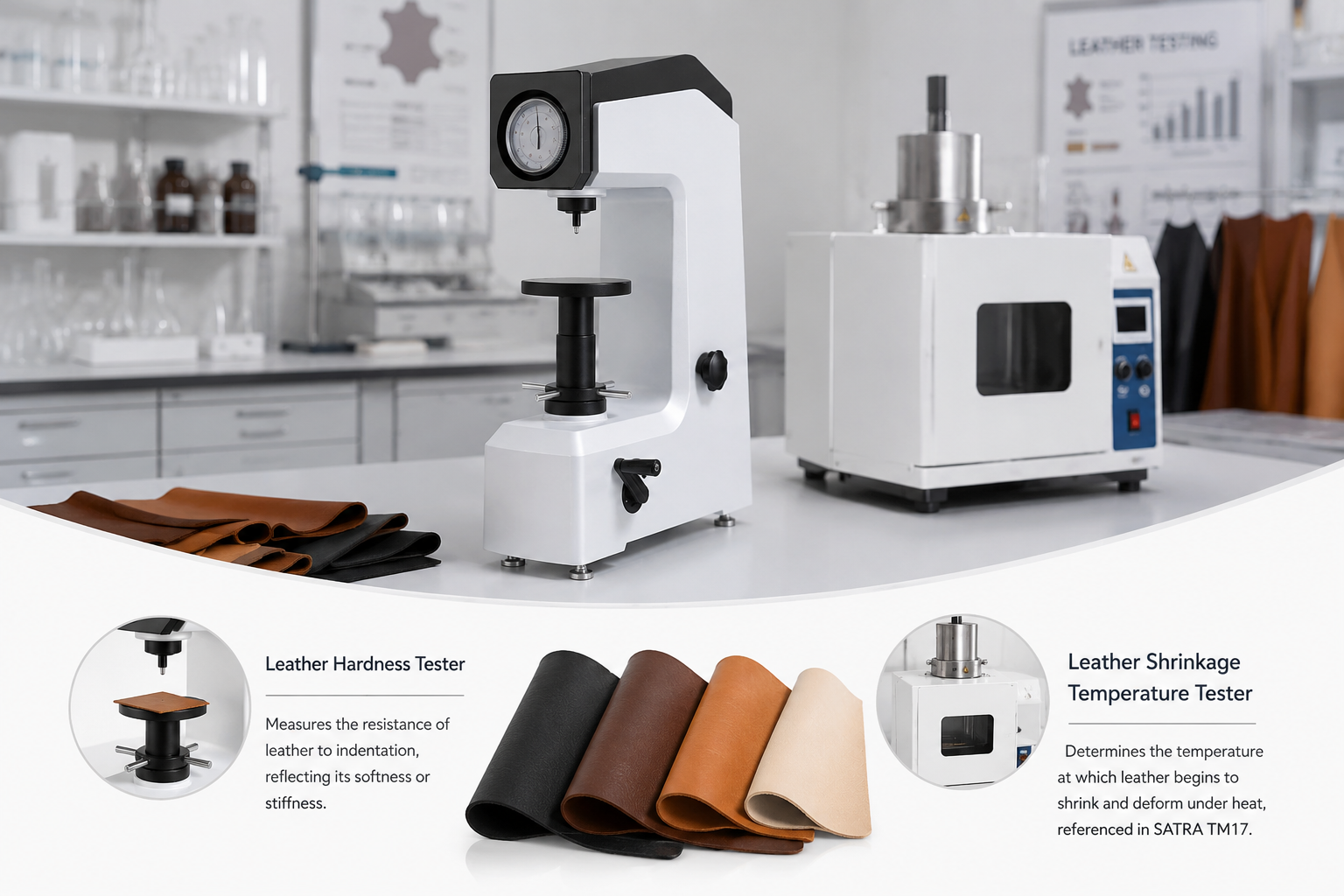
2. Hardness and Shrinkage Temperature — Two Core Metrics of Leather's "Baseline Condition"
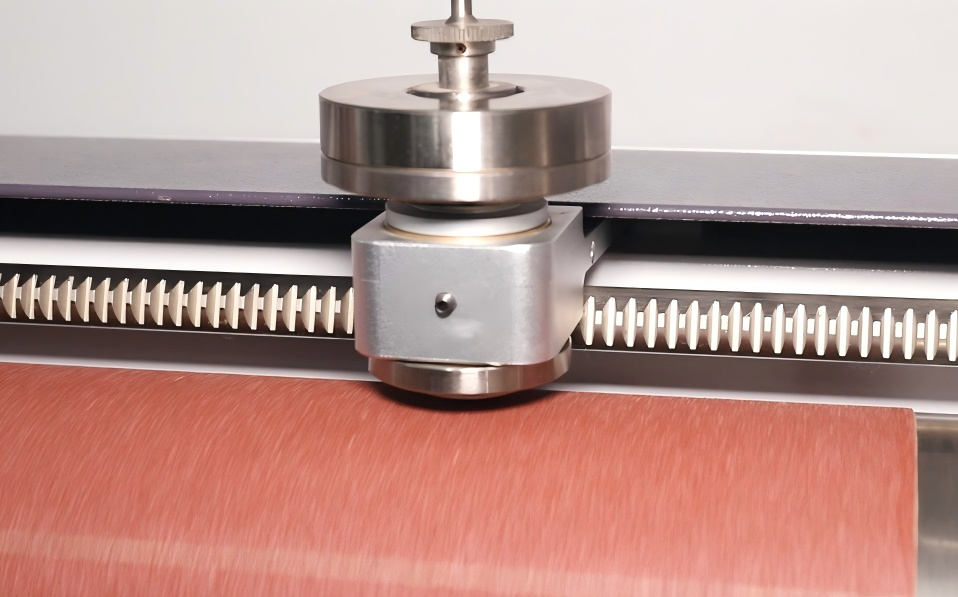
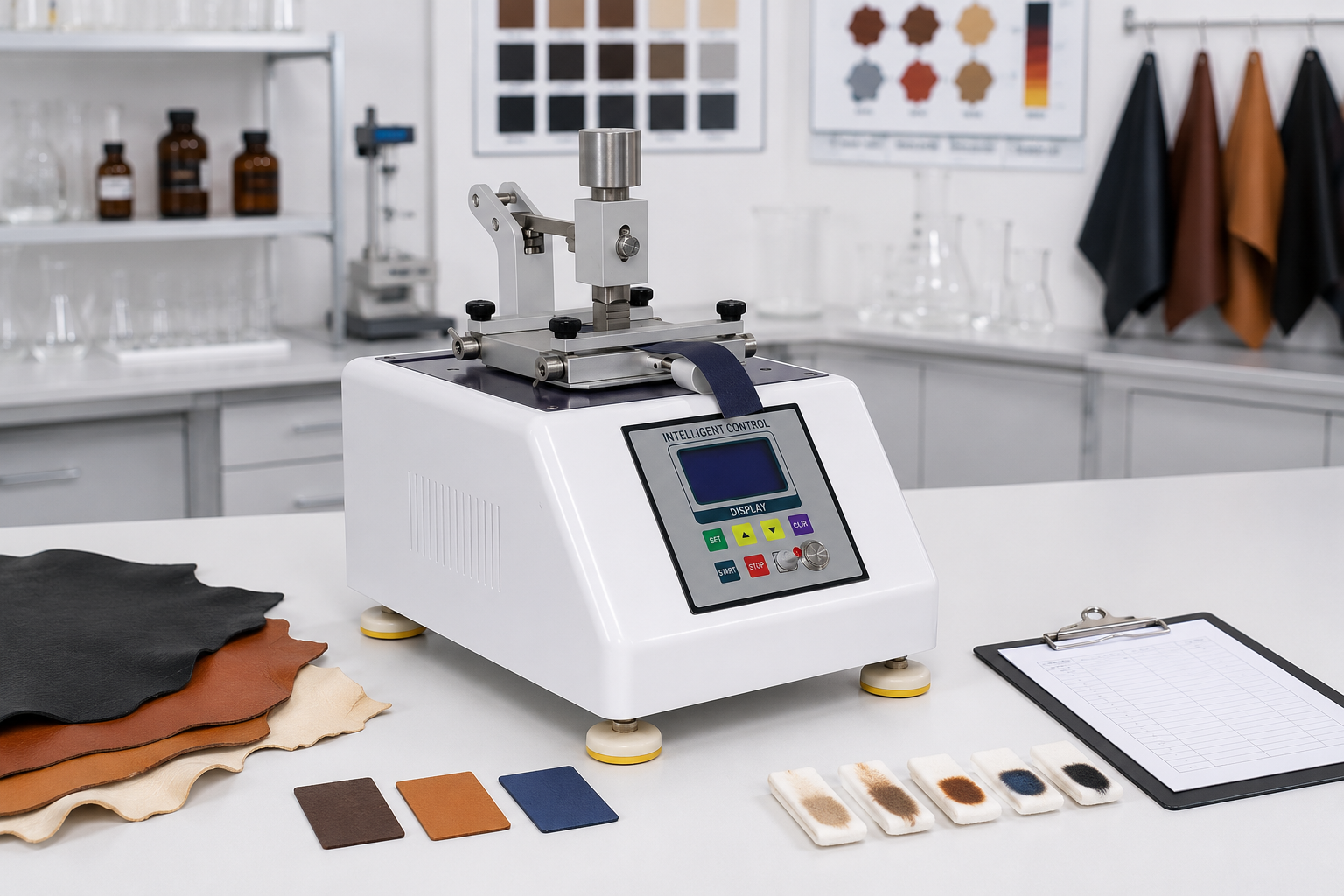
3. Color Fastness to Rubbing — Whether the Leather Will Fade
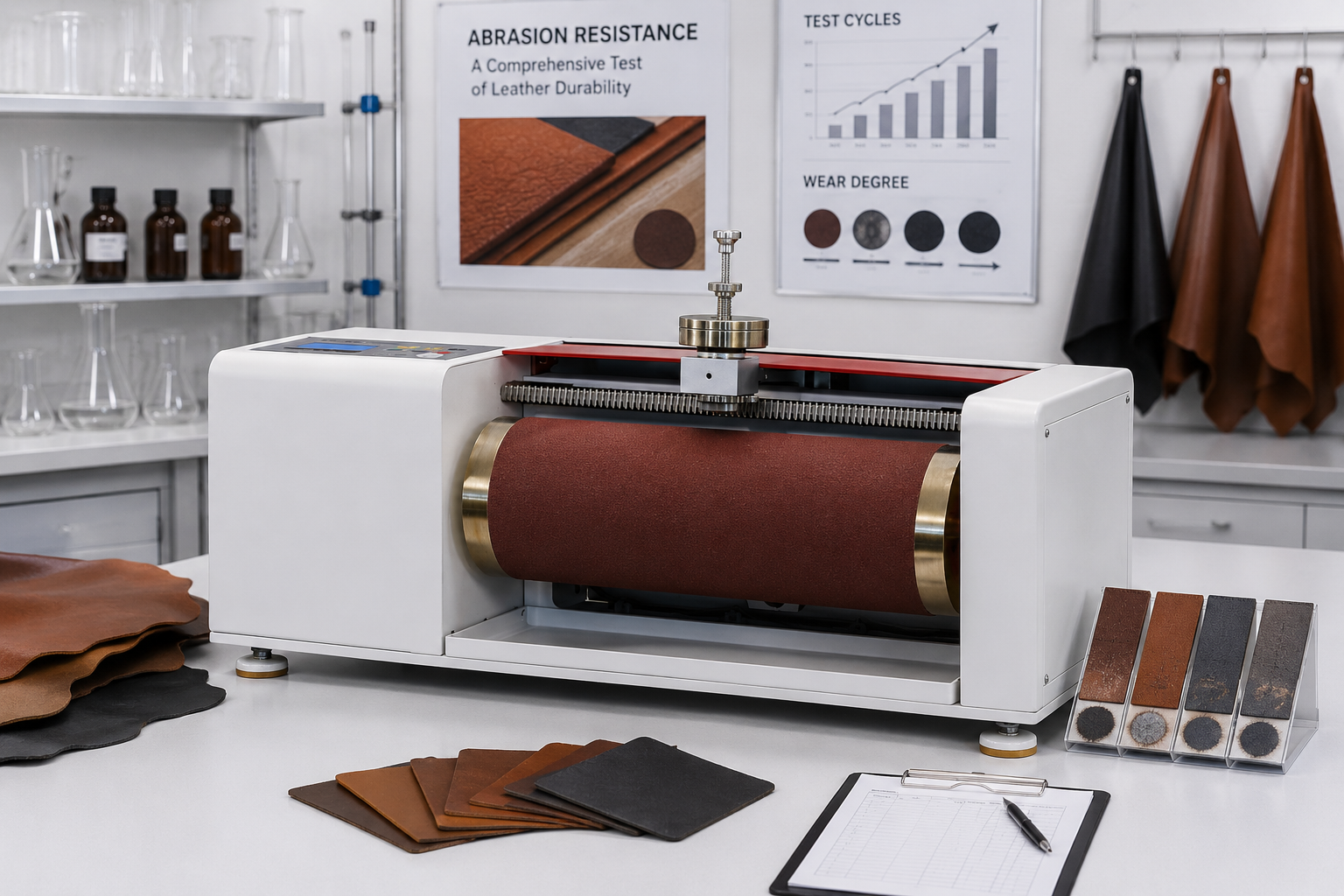
4. Abrasion Resistance — A Comprehensive Test of Leather Durability
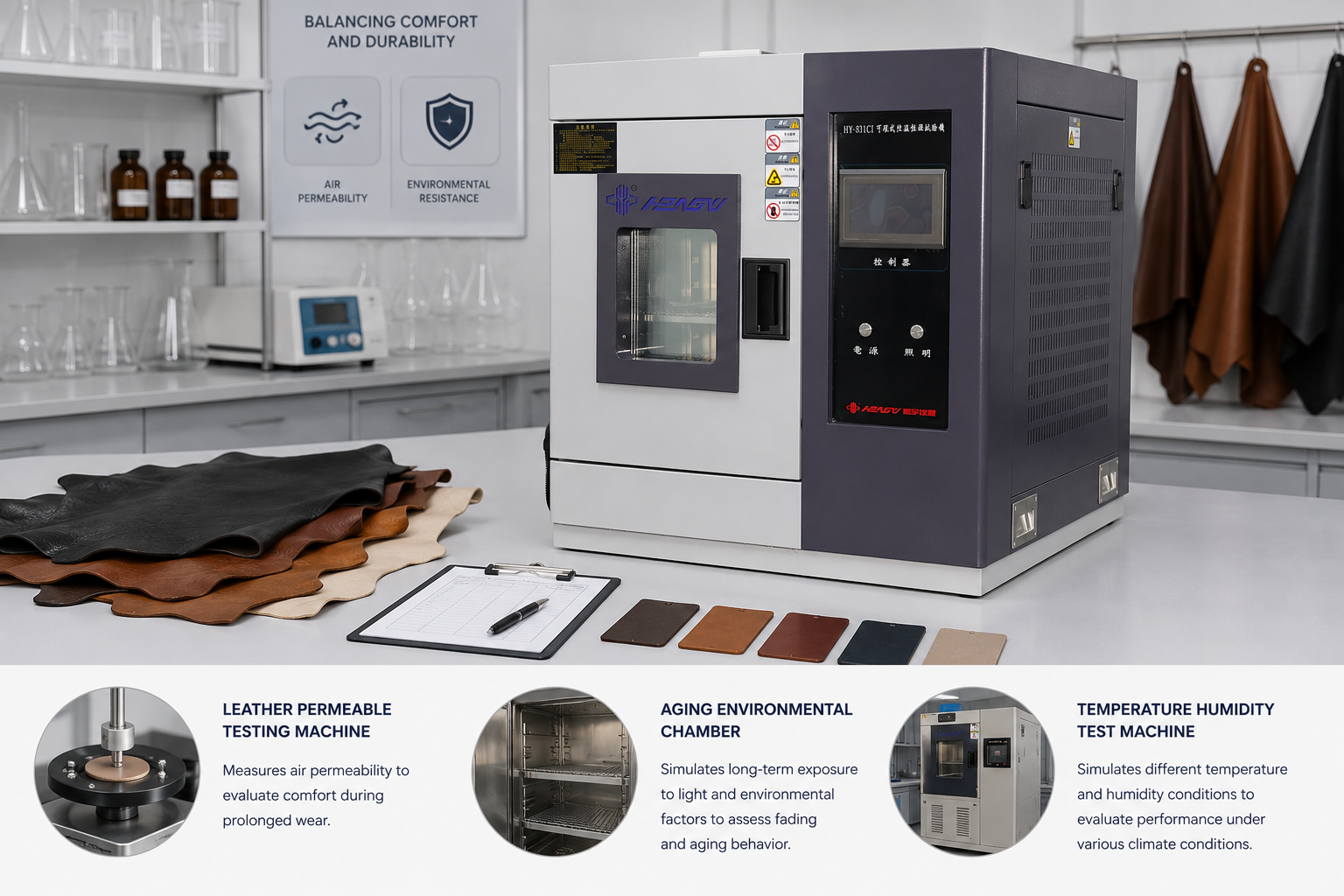
5. Air Permeability and Environmental Resistance — Balancing Comfort and Durability
From flex resistance and hardness to shrinkage temperature, color fastness, abrasion resistance and air permeability, leather quality control spans multiple dimensions of physical performance testing. A gap in any one of these areas can be magnified into a quality issue that's clearly visible to the end consumer. For leather manufacturers and downstream processors, establishing a standardized and systematic testing workflow is not only a practical requirement for client audits and export compliance, but also a long-term safeguard for product reputation and competitiveness.
From Curing to Wear: What Tire and Rubber Manufacturers Should Be Testing
Footwear Safety Standards Continue to Evolve: Slip Resistance, Waterproofing and ESD Performance Take Center Stage
Related Article